Industrial Waste
or Recoverable Resource?
Spent deionizing resin containing any regulated material — even if the volume of the material is barely detectable in terms
of parts per billion — is classed as industrial waste when it is tossed into a trash bin, sent to
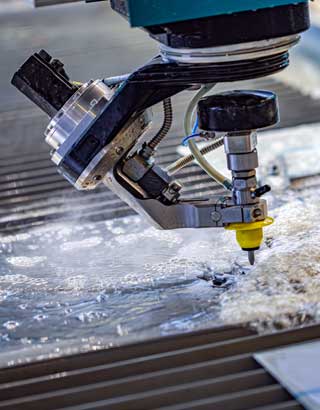
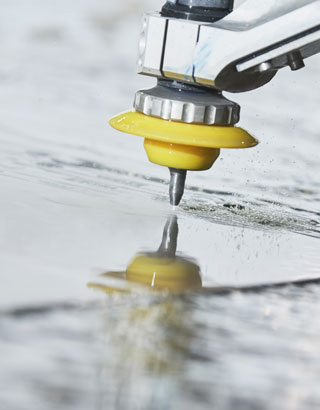
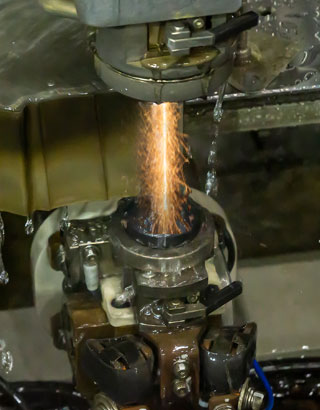
a landfill or worse, just dumped. Special rules apply. That's a problem for anyone who uses deionizing resin in a manufacturing environment such as EDM manufacturing, waterjet cutting, or process water recovery. It's called cradle-to-grave accountability.
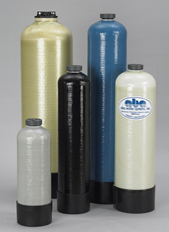
On the other hand, that very same resin is classed as a recoverable resource when it is sent to ABA
Water Systems for regeneration because ABA is licensed to process exhausted resin as a recoverable resource. We treat the used resin via our unique multistage regeneration process, dispose of the industrial-waste byproducts legally so that our customer can avoid regulatory problems, and return regenerated resin for use all over again. That can be a great relief for anyone concerned about waste disposal
and liability. Also, because the exhausted resin is classed as a recoverable resource, it can
even be shipped across the country via any common carrier.
Federal and state environmental control agencies regulate disposal of a host of materials which are common byproducts of metalworking and manufacturing processes. The worst of these are outright toxic. Anyone illegally dumping any regulated materials along with other industrial wastes is risking serious environmental action.
Critical Environmental Controls.
In recent years the sheer volume of industrial byproducts and waterborne wastes have, in some
cases, increased tenfold throughout the country’s manufacturing and commercial operations. As
a result, not only have the costs of D.I. resin for processes such as electrical discharge manufacturing
and waterjet cutting increased, so have the costs and liabilities associated with waste
disposal. Regenerating the resin is a practical solution to controlling the costs while simultaneously
avoiding the additional problems of disposing of the industrial byproducts.
“The regulatory agencies want to help manufacturers, and will readily answer questions about
how best to dispose of industrial pollutants and avoid liability,” says Neil Weaver, President of ABA Water Systems. “It’s always advisable to talk to the experts to be sure of what action to take.”
It could be that the most important question a POU supplier and an industrial-products customer should ask of anyone providing dionizing resin regeneration services is this: Is that resin service company licensed to dispose of industrial wastes? To answer that question, Mr. Weaver says, ABA keeps copies of its license available for e-mailing or faxing to customers
so that they always have a reference when questioned about meeting environmental
control regulations.
- # - |